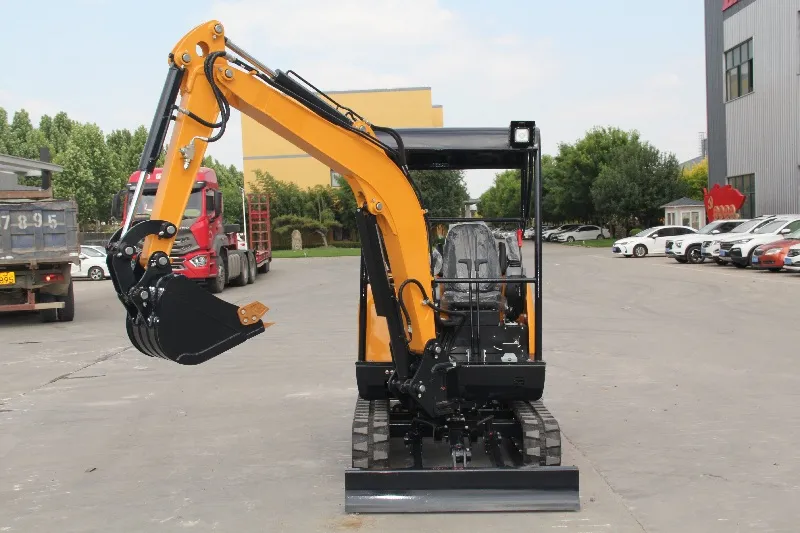
Mini excavators are popular because they offer strong digging power without taking up the space of a full-size excavator. They are commonly used for landscaping, trenching, grading, small demolition, drainage work, stump removal, and residential construction projects. But before booking one, most people ask the same question: how much will it actually cost?
Understanding mini excavator rental prices helps you plan your project budget more accurately and avoid surprise fees. The final rate depends on the machine size, rental duration, location, delivery distance, attachments, fuel, and whether you need an operator. This guide explains the average cost to rent mini excavator equipment, what affects the final price, and how to reduce expenses without choosing the wrong machine for the job.
Average Cost to Rent Mini Excavator Equipment
The average cost to rent mini excavator equipment can vary widely, but most small machines fall into a common price range. A basic compact model may cost less for a short residential job, while a heavier unit with more digging depth and power will usually cost more.
Typical rental estimates may look like this:
- Daily rental: around $200 to $450 per day
- Weekly rental: around $700 to $1,500 per week
- Monthly rental: around $2,000 to $4,000+ per month
These are general estimates. Your actual rate may be higher or lower depending on the rental company, machine class, demand in your area, and job requirements.
For small projects like digging garden trenches or preparing a backyard area, a one-day rental may be enough. For utility lines, drainage systems, pool preparation, or longer construction work, a weekly rental often gives better value.
Daily, Weekly, and Monthly Price to Rent a Mini Excavator
The price to rent a mini excavator depends heavily on how long you need the machine. Short rentals are convenient, but the per-day rate is usually higher. Longer rental periods often reduce the average daily cost.
Daily Rental
A daily rental works well for quick projects, such as:
- Digging a small trench
- Removing a few stumps
- Leveling a small yard
- Preparing soil for landscaping
- Small foundation or drainage tasks
Daily rental is best when the site is ready, the operator is experienced, and the work can be completed quickly.
Weekly Rental
A weekly rental is usually better for projects that may take several days. If you are not sure the job can be finished in one day, renting weekly may help avoid late fees or expensive extensions.
Weekly rental is useful for:
- Longer trenching jobs
- Multiple landscaping tasks
- Small construction projects
- Farm or property maintenance
- Residential utility installation
Monthly Rental
Monthly rental is best for contractors or property owners with ongoing work. It offers the lowest average daily rate, but only makes sense if the machine will be used regularly.
What Affects Mini Excavator Rental Prices?
Several factors can change mini excavator rental prices. Looking only at the base rate can be misleading because extra charges may increase the total cost.
1. Machine Size and Weight
Mini excavators come in different sizes. A 1-ton model is usually cheaper than a 5-ton or 8-ton model. Smaller units are easier to transport and work well in tight spaces, but they may not have enough power for deeper digging or heavy soil.
Larger mini excavators usually cost more because they offer:
- Greater digging depth
- More lifting power
- Better stability
- Stronger hydraulic performance
- Compatibility with larger attachments
Choosing the cheapest machine is not always the best decision. If the machine is too small, the job may take longer and cost more in labor and rental time.
2. Rental Duration
Rental duration is one of the biggest price factors. A one-day rental may seem affordable, but if the project takes three or four days, a weekly rate may be more economical.
Before booking, estimate:
- How many hours the digging will take
- Whether the site is already prepared
- How difficult the soil is
- Whether weather could delay the work
- Whether you need extra time for loading and cleanup
A realistic schedule can help control the total cost.
3. Delivery and Pickup Fees
Mini excavators are heavy machines, so transport can add a significant cost. If you do not have the right truck and trailer, the rental company may deliver and pick up the machine.
Delivery fees depend on:
- Distance from the rental yard
- Machine size
- Local transport rates
- One-way or round-trip delivery
- Special access requirements
Always ask whether delivery and pickup are included in the quote.
4. Attachments
Attachments can make a mini excavator more useful, but they may cost extra. Common attachments include:
- Buckets in different sizes
- Hydraulic thumbs
- Augers
- Breakers
- Rippers
- Grading blades
For example, a standard bucket may be included, but an auger for post holes or a breaker for concrete removal may increase the rental price.
5. Fuel and Refueling Charges
Most rental companies expect the equipment to be returned with a full fuel tank. If not, they may charge a refueling fee. Diesel costs can also affect your total project budget, especially for longer rentals.
Ask the rental company:
- What fuel type the machine uses
- Whether it comes with a full tank
- What refueling policy applies
- Estimated fuel usage for normal operation
6. Insurance and Damage Waiver
Some companies require or offer a damage waiver. This can protect you from certain accidental damage costs, but it may not cover everything. Insurance requirements may depend on whether you are a homeowner, contractor, or business customer.
Before signing the agreement, check:
- Damage waiver cost
- What is covered
- What is excluded
- Your responsibility for theft or misuse
- Whether your existing insurance applies
Renting With or Without an Operator
Another key cost factor is whether you operate the machine yourself or hire an operator.
Self-operation may save money if you already have experience. However, an inexperienced operator can take longer, make mistakes, or damage the site. For simple landscaping work, a skilled homeowner may manage a small machine. For deeper excavation, utility work, slopes, or tight spaces, a professional operator may be safer and more efficient.
Hiring an operator adds labor cost, but it can reduce project time and improve accuracy.
How to Estimate Your Total Rental Cost
To estimate the full cost, do not look at the machine rate alone. Build your estimate with all possible expenses.
Use this simple checklist:
- Base rental rate
- Delivery and pickup
- Attachments
- Fuel
- Damage waiver or insurance
- Taxes and local fees
- Operator cost, if needed
- Extra days or late return fees
For example, a machine may be advertised at $300 per day. But after delivery, fuel, taxes, and an attachment, the total may be much higher. A clear quote helps you avoid budget surprises.
Tips to Save Money on Mini Excavator Rentals
You can reduce rental costs with smart planning. Here are practical ways to save:
- Prepare the site before the machine arrives.
- Mark digging areas clearly.
- Confirm underground utilities before digging.
- Choose the right machine size.
- Rent weekly if the job may take several days.
- Ask which attachments are included.
- Compare quotes from more than one rental company.
- Return the machine on time.
- Refuel before returning if required.
Good planning helps you finish faster and avoid unnecessary fees.
When Renting Makes More Sense Than Buying
Renting is usually better for short-term or occasional projects. Buying may only make sense if you use the machine regularly for business or long-term property work.
Renting is a smart choice when:
- You only need the machine for one project
- You want to avoid maintenance costs
- You do not have storage space
- You need different machine sizes for different jobs
- You want access to newer equipment
Buying comes with maintenance, repairs, transport, storage, insurance, and depreciation. For many homeowners and small contractors, rental is the more flexible option.
FAQ
1. What are average mini excavator rental prices?
Average mini excavator rental prices often range from about $200 to $450 per day for smaller machines. Weekly and monthly rates usually reduce the average daily cost.
2. What is the cost to rent mini excavator equipment for one week?
The cost to rent mini excavator equipment for one week often ranges from about $700 to $1,500, depending on the machine size, location, attachments, and rental company.
3. What changes the price to rent a mini excavator?
The price to rent a mini excavator can change based on machine weight, digging depth, delivery distance, attachments, fuel policy, insurance, taxes, and rental duration.
4. Is it cheaper to rent a mini excavator weekly?
Yes, weekly rental is often cheaper than paying several daily rates. If your project may take more than two or three days, ask for a weekly quote.
5. Do I need experience to operate a mini excavator?
Basic operation can be learned, but experience matters. For deeper digging, utility work, slopes, or tight spaces, hiring a skilled operator can be safer and more efficient.
Conclusion
Mini excavator rental prices depend on more than the advertised daily rate. Machine size, rental length, delivery, fuel, attachments, insurance, and operator needs all affect the final cost. For small residential tasks, a daily rental may be enough. For longer or more complex projects, weekly or monthly rental can offer better value.
Before booking, compare quotes carefully and ask what is included. Make sure the machine has enough digging depth, power, and attachments for your project. The cheapest option is not always the most cost-effective if it slows the work down. With the right planning, renting a mini excavator can be an efficient and affordable way to complete digging, trenching, landscaping, and light construction work.