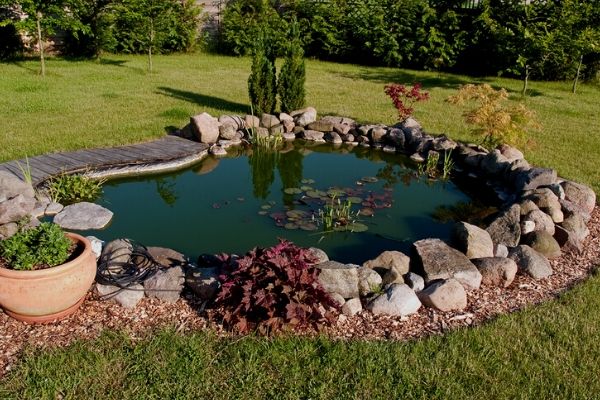
A well-designed pond edge can transform an ordinary garden pond into a beautiful, natural-looking feature. Marginal plants play an important role in achieving this effect by softening hard boundaries, adding colour, and connecting the water with the surrounding landscape. With the right selection of plants and thoughtful placement, you can create an attractive pond edge that looks established, balanced, and full of life.
Create a Natural Transition between Water and Garden
One of the best ways to improve your pond’s appearance is to blend the water’s edge with the surrounding garden. Bare pond liners, exposed stones, and straight edges can make a pond look artificial. Marginal plants help disguise these features while creating a softer transition between water and land.
Choose plants with different leaf shapes, heights, and textures to create a varied appearance. Low-growing varieties can spread along the front edge, while taller plants add structure behind them. For inspiration, explore That Pond Guy Marginal Plants to discover options for different pond styles.
Combine Different Colours and Textures
A natural-looking pond edge rarely depends on one plant variety. Combining contrasting foliage and flowers can make the area more visually interesting throughout the growing season.
For example, marsh marigold can provide bright yellow flowers in spring, while water irises introduce upright foliage and colourful blooms. Creeping Jenny offers attractive trailing growth, helping soften the edges of stones and planting baskets.
Try to balance flowering plants with varieties grown mainly for their leaves. This approach ensures that your pond remains attractive even when individual plants are not in bloom.
Use Plant Heights to Add Depth
Plant height can make a significant difference to the overall design. Taller marginal plants, such as suitable rushes and some iris varieties, can create a backdrop along one section of the pond. Medium-height plants work well around the sides, while lower-growing varieties help maintain clear views of the water.
Avoid placing tall plants evenly around every edge. Instead, group them in selected areas and leave some sections open. This creates a more relaxed appearance and allows the water surface to remain a central feature.
Always check the mature height and spreading habit of each variety before planting.
Choose Plants for the Correct Water Depth
Marginal plants have different planting-depth requirements. Some prefer very shallow water, while others tolerate deeper shelves or consistently damp soil beside the pond.
Check the recommended depth for every variety and position plants accordingly. Using aquatic planting baskets can help control growth, simplify maintenance, and make it easier to rearrange plants when needed.
You can browse That Pond Guy Marginal Plants to compare varieties and plan a planting arrangement suited to your pond’s depth and available space.
Maintain a Balanced Pond Edge
Regular maintenance helps preserve the natural appearance of your planting. Remove dead leaves, trim excessive growth, and divide overcrowded plants when necessary. Keep vigorous varieties under control so they do not overwhelm smaller plants or cover too much of the water.
Conclusion
Attractive pond edges depend on variety, thoughtful positioning, and suitable planting depths. By combining different colours, textures, and heights, you can soften pond boundaries and create a garden feature that feels naturally connected to its surroundings. With careful plant selection and occasional maintenance, your pond can remain inviting and beautiful throughout the seasons.