Australia’s shock elimination from the ICC Men’s T20 World Cup 2026 in the group stage sparked a fierce global reaction. The defending champions, expected to be strong contenders, lost critical matches against underdogs like Zimbabwe, leaving fans and pundits questioning not just performance but intent. In the wake of that early exit, a controversial narrative took hold: that Australia doesn’t seriously prioritise T20 internationals, choosing instead to focus on Test and One-Day cricket. But one of Australian cricket’s leading figures, batter and stand-in captain Travis Head, has firmly rejected that claim as “more of a public opinion than reality.”
This article examines that debate — the criticism, Head’s rebuttal, the broader context of Australia’s cricketing priorities, and what this episode might mean for the future of T20 cricket in Australia.
1. Australia’s Shock T20 World Cup Exit: Expectations vs Reality
Australia entered the 2026 T20 World Cup as one of the tournament favourites, given their historical strength across formats and deep talent pool. However, after consecutive group-stage defeats to Zimbabwe and Sri Lanka, they failed to progress to the Super 8 round — a level of early exit few anticipated for a team of their profile.
Those unexpected losses amplified scrutiny of Australia’s strategies, selection decisions, and squad depth. Some observers suggested that injuries to key players — such as senior quicks — hampered their performance. Others pointed to perceived tactical missteps, such as not tailoring personnel for spin-friendly conditions. This combination fed a narrative that the team may be treating the T20 format as secondary to Test and One-Day cricket.
2. Public Opinion vs Professional Intent: Head’s Rebuttal
In the aftermath, critics were quick to assert that Australia did not “take T20 seriously.” It was suggested the team’s preparation and selection reflected a prioritisation of longer formats like Tests and one-day internationals.
Travis Head, however, pushed back against this narrative strongly. He described such claims as “more of a public opinion” rather than an accurate reflection of the team’s approach and commitment. In his view, the idea that Australia prefers other formats over T20s is fuelled more by fan sentiment than by internal team priorities.
Head’s response emphasised that the team did prepare earnestly for the T20 World Cup and entered the tournament with intent to compete at the highest level. He implies that early setbacks should not be taken as evidence of indifference or a lack of seriousness towards the format.
3. Coach and Team Support: Australia’s Official Stance
It wasn’t just Head who rejected the “T20 not taken seriously” argument. Australia’s head coach, Andrew McDonald, also publicly denied that the team was deprioritising the T20 World Cup. According to him, the tournament was treated as a major focus, and narratives suggesting otherwise were false.
McDonald pointed out that the perception of indifference emerged after disappointment — a familiar dynamic in sports where expectations are high. His rebuttal reinforces Head’s stance that the squad’s preparation and effort should not be judged solely on the basis of match outcomes.
Together, these official responses challenge the simplistic interpretation that Australia ‘doesn’t care’ about T20s.
4. Why the Criticism? Fans, Formats, and Expectations
The criticism didn’t arise in a vacuum. Australia’s cricket culture places huge emphasis on success across all formats, and the T20 World Cup is a prestigious global event. Being knocked out early naturally prompted questions about selection, preparation, and overall prioritisation.
Some commentators also linked strategic decisions — including squad construction and player workload management — to the broader perception that Test and ODI formats remain pre-eminent for Australia. After all, Australian cricket has a long legacy of excellence in Test matches and ODI World Cups, and this history sometimes shapes how fans and pundits weigh success.
However, it’s worth noting that criticism often reflects emotional reactions from outside the team environment, and can be influenced by expectations rather than insight into internal planning and dynamics.
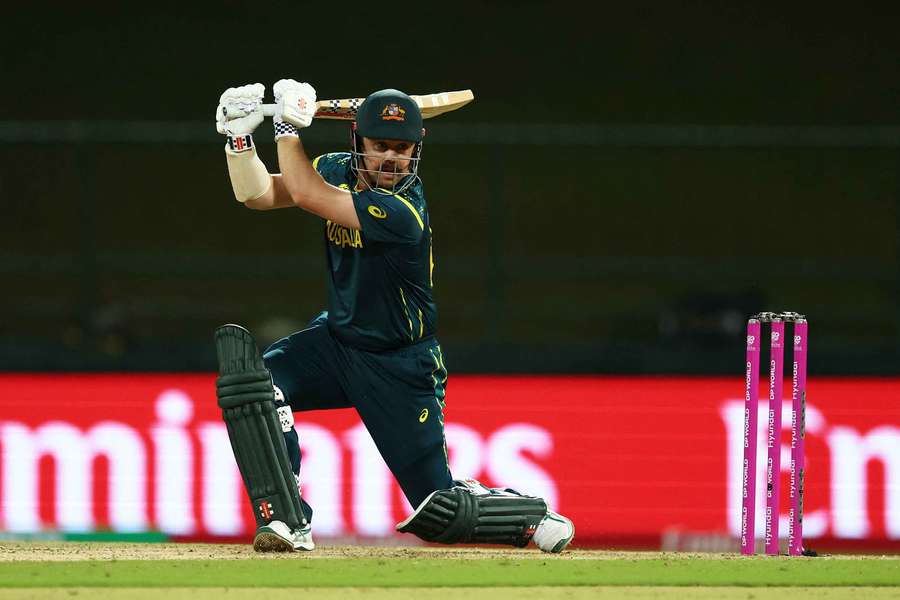
5. Head’s Leadership and the Broader Team Response
Travis Head’s willingness to publicly defend the team demonstrates his leadership role during a turbulent time. As a senior player and stand-in captain, his comments underscored a sense of unity and collective responsibility.
While acknowledging the disappointment of the losses, Head and other team figures focused on accountability and resilience rather than accepting narratives that painted their intentions in a dismissive light. This approach suggests Australia is not shying away from the T20 format but rather interpreting this moment as a learning opportunity rather than a statement about their commitment.
6. Context: Australia’s Multi-Format Challenges
One element often overlooked in the criticism is the challenge faced by modern cricket teams in balancing success across formats. Test, One-Day, and T20 cricket each demand different skill sets, team compositions, and preparation strategies. Managing player fitness and allocation across these formats, especially in a World Cup year, is a complex task.
For Australia, injuries to key fast bowlers and changes in selection — including decisions around experienced players — created additional hurdles. Some critics argued that these factors inadvertently weakened their T20 World Cup campaign. Rather than dismissing T20’s importance, Head and McDonald’s comments reflect a recognition that maintaining excellence across formats is difficult but still a priority.
7. What This Means for Australia’s T20 Future
Head’s response could shape discussions about Australia’s cricketing strategy going forward. By rejecting the notion that T20 cricket is not taken seriously, he shifts the focus back to performance, preparation, and growth. Rather than being mired in external narratives, the team can use this moment to refine approaches, strengthen squad depth, and reaffirm their commitment to succeeding in T20 formats.
This stance supports a broader view across international cricket: that while fans may draw quick conclusions based on results alone, the reality of elite sport involves hard choices, evolving formats, and long-term planning.
Conclusion: Commitment Over Conjecture
The debate over whether Australia prioritises T20 cricket reveals as much about public expectations as it does about the team’s actual intent. Travis Head’s reply — that skepticism about Australia’s commitment to T20 is “more of a public opinion” — highlights the danger of equating a disappointing result with a lack of seriousness.
Instead of retreating from T20 competition, Australia appears poised to engage in deeper introspection, focusing on player development, strategic balance, and competitive resilience across formats. Head’s comments serve to counter simplistic critiques and remind cricket followers that elite teams continue to value T20 cricket as part of a comprehensive international agenda.
Read more at : webxcels.com