Maintaining good health is not only about treating illnesses when they occur but also about preventing them before they develop. Preventive healthcare focuses on identifying risk factors, promoting healthy lifestyles, and detecting diseases early to reduce their impact. Health experts consistently emphasize that prevention is one of the most effective ways to improve quality of life and reduce healthcare costs.
Preventive healthcare strategies involve a combination of medical screenings, vaccinations, healthy lifestyle choices, and regular monitoring of physical and mental well-being. These measures help individuals reduce the risk of chronic diseases such as heart disease, diabetes, and certain cancers.
Adopting preventive healthcare practices allows individuals to take a proactive approach to their health. By making informed choices and maintaining regular contact with healthcare professionals, people can detect potential health issues early and improve long-term health outcomes.
Regular Health Screenings and Medical Checkups
Regular medical checkups are one of the most important components of preventive healthcare. Health screenings help detect diseases at early stages, often before symptoms appear. Early detection allows healthcare providers to begin treatment sooner, which significantly improves recovery rates and reduces complications.
Routine screenings may include blood pressure checks, cholesterol testing, blood sugar monitoring, and cancer screenings depending on age, gender, and individual risk factors. For example, monitoring blood pressure regularly can help identify hypertension, a major risk factor for heart disease and stroke.
Regular consultations with healthcare professionals also allow individuals to discuss lifestyle habits, family medical history, and potential health risks. These appointments help doctors provide personalized recommendations that support long-term health and disease prevention.
Maintaining a Balanced and Nutritious Diet
Nutrition plays a fundamental role in preventing many chronic diseases. A balanced diet provides essential nutrients that support immune function, brain health, and proper body functioning. Health experts recommend consuming a variety of fruits, vegetables, whole grains, lean proteins, and healthy fats as part of daily meals.
Diets rich in fiber, vitamins, and antioxidants help protect the body from inflammation and oxidative stress. These factors are often associated with the development of conditions such as heart disease, obesity, and certain cancers. Limiting the intake of processed foods, excessive sugar, and unhealthy fats can further reduce health risks.
Healthy eating habits also support stable energy levels and improve mental well-being. Proper nutrition helps regulate blood sugar levels, supports digestive health, and contributes to maintaining a healthy body weight.
Engaging in Regular Physical Activity
Physical activity is a key element of preventive healthcare. Regular exercise helps maintain cardiovascular health, strengthens muscles and bones, and improves flexibility and balance. Health authorities recommend that adults engage in at least 150 minutes of moderate-intensity physical activity each week.
Exercise also plays a major role in preventing chronic illnesses such as heart disease, diabetes, and obesity. Physical activity improves blood circulation, supports healthy cholesterol levels, and helps regulate blood pressure. Additionally, regular exercise enhances metabolism and contributes to weight management.
Beyond physical benefits, exercise also supports mental health. Physical activity stimulates the release of endorphins and other brain chemicals that improve mood and reduce stress. Activities such as walking, swimming, cycling, and yoga are effective ways to maintain physical fitness and overall well-being.
Ensuring Adequate Sleep and Rest
Quality sleep is essential for maintaining optimal health. During sleep, the body performs critical processes such as tissue repair, immune system strengthening, and memory consolidation. Most adults require between seven and nine hours of sleep each night to function properly.
Insufficient or poor-quality sleep has been linked to various health problems, including weakened immunity, weight gain, cardiovascular disease, and impaired cognitive function. Maintaining consistent sleep patterns helps regulate the body’s internal clock and supports overall health.
Creating a healthy sleep routine can significantly improve sleep quality. Reducing screen time before bedtime, maintaining a comfortable sleep environment, and practicing relaxation techniques help the body transition into restful sleep. Prioritizing adequate rest enhances both physical recovery and mental performance.
Stress Management and Mental Well-Being
Managing stress is an essential aspect of preventive healthcare. Chronic stress can negatively affect both physical and mental health, contributing to conditions such as high blood pressure, digestive issues, anxiety, and depression. Developing effective stress-management techniques helps protect overall health.
Practices such as meditation, deep breathing, mindfulness, and yoga have been shown to reduce stress and improve emotional resilience. These techniques help individuals remain calm, focused, and better equipped to handle daily challenges.
Maintaining mental well-being also involves building healthy relationships, engaging in enjoyable activities, and maintaining a positive work-life balance. By addressing stress proactively, individuals can improve emotional stability and prevent stress-related health conditions.
Vaccinations and Immunization
Vaccination is one of the most effective preventive healthcare strategies. Vaccines help protect individuals from infectious diseases by stimulating the body’s immune system to recognize and fight harmful pathogens. Immunization programs have significantly reduced the spread of many serious diseases worldwide.
Routine vaccinations are recommended throughout life, from childhood immunizations to adult booster shots. Vaccines protect against illnesses such as influenza, hepatitis, and certain types of pneumonia. By preventing infections, vaccines reduce the risk of complications and hospitalizations.
Vaccination also contributes to community health by reducing disease transmission. When a large portion of the population is immunized, it helps protect vulnerable individuals who may not be able to receive certain vaccines due to medical conditions.
Avoiding Harmful Lifestyle Habits
Certain lifestyle habits can significantly increase the risk of developing chronic diseases. Preventive healthcare encourages individuals to avoid behaviors such as smoking, excessive alcohol consumption, and sedentary lifestyles.
Smoking is a major risk factor for many serious health conditions, including lung disease, heart disease, and various cancers. Avoiding tobacco products is one of the most effective ways to improve long-term health. Limiting alcohol consumption is also important for protecting liver health and preventing related medical complications.
Adopting healthier habits, such as maintaining an active lifestyle and making mindful dietary choices, helps reduce the risk of chronic illnesses. Small but consistent lifestyle changes can have a lasting impact on overall health and well-being.
Monitoring Health Indicators
Tracking important health indicators is another important preventive strategy. Monitoring factors such as body weight, blood pressure, cholesterol levels, and blood sugar helps individuals understand their overall health status and detect potential risks early.
Regular monitoring allows individuals to notice changes in their health and seek medical advice when necessary. For example, tracking blood pressure can help detect hypertension early, allowing for timely intervention and lifestyle adjustments.
Advances in digital health technologies, including wearable devices and health apps, have made it easier for individuals to monitor their health on a daily basis. These tools provide valuable insights that support healthier lifestyle decisions and encourage proactive healthcare management.
Conclusion
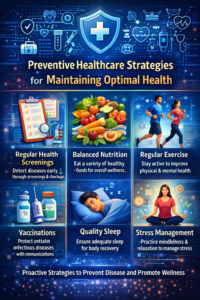
Preventive healthcare plays a vital role in maintaining optimal health and reducing the risk of chronic diseases. By focusing on proactive strategies such as regular health screenings, balanced nutrition, physical activity, quality sleep, stress management, and vaccinations, individuals can protect their health and improve their quality of life.
Adopting preventive healthcare habits empowers people to take control of their well-being and make informed lifestyle choices. These strategies not only help prevent illness but also promote long-term physical and mental health.
Ultimately, maintaining optimal health requires consistent effort and awareness. By prioritizing preventive healthcare practices, individuals can build a healthier future and enjoy a higher level of overall well-being.
Read more : whitesystemz.com