Maintaining both physical and mental health has become increasingly important in today’s fast-paced world. Long working hours, digital distractions, unhealthy eating patterns, and limited physical activity can negatively affect overall well-being. However, adopting simple daily habits can significantly improve health, increase energy levels, and strengthen emotional resilience.
Health experts emphasize that consistent small lifestyle changes often produce better long-term results than extreme or short-term efforts. Daily routines such as balanced nutrition, regular exercise, adequate sleep, and mindfulness practices support the body’s natural systems and help prevent many chronic diseases.
Building healthy habits not only improves physical fitness but also enhances mood, productivity, and mental clarity. By incorporating a few key practices into everyday life, individuals can create a sustainable lifestyle that promotes long-term health and well-being.
Start the Day with a Healthy Morning Routine
A structured morning routine plays an important role in setting a positive tone for the rest of the day. Many health professionals recommend beginning the day with activities that promote both physical and mental wellness. Drinking water after waking up helps rehydrate the body after several hours of sleep and supports metabolism.
Morning stretching or light physical activity helps stimulate blood circulation and prepares the body for daily tasks. Even a few minutes of stretching can improve flexibility and reduce muscle stiffness. In addition, exposure to natural sunlight in the morning helps regulate the body’s internal clock, which is essential for maintaining healthy sleep cycles.
A calm morning routine that includes planning the day, deep breathing, or brief meditation can also reduce stress levels. Starting the day with intention and clarity improves focus, productivity, and emotional stability throughout the day.
Maintain a Balanced and Nutritious Diet
Nutrition plays a central role in maintaining physical and mental health. A balanced diet provides the body with essential nutrients such as vitamins, minerals, protein, healthy fats, and complex carbohydrates. These nutrients support immune function, brain activity, and overall energy levels.
Health experts recommend consuming a variety of fruits, vegetables, whole grains, lean proteins, and healthy fats as part of a daily diet. Foods rich in antioxidants, such as berries, leafy greens, and nuts, help protect the body from cellular damage caused by oxidative stress.
Proper nutrition also affects mental well-being. Research indicates that diets rich in whole foods and omega-3 fatty acids may support brain health and reduce symptoms of anxiety and depression. Maintaining stable blood sugar levels through balanced meals can also prevent energy crashes and mood swings.
Engage in Regular Physical Activity
Regular exercise is one of the most effective ways to improve both physical and mental health. Physical activity strengthens the heart, improves muscle strength, supports weight management, and enhances overall endurance. Health organizations generally recommend at least 150 minutes of moderate-intensity exercise per week for adults.
Exercise also plays a significant role in improving mental health. During physical activity, the body releases endorphins and other neurotransmitters that help reduce stress and improve mood. This natural response is often referred to as the “feel-good” effect of exercise.
Daily movement does not always require intense workouts. Activities such as walking, cycling, yoga, or swimming can provide significant health benefits. Even short periods of activity throughout the day can improve circulation, increase energy, and reduce the risks associated with a sedentary lifestyle.
Prioritize Quality Sleep
Sleep is a critical component of overall health and well-being. During sleep, the body repairs tissues, strengthens the immune system, and consolidates memory. Adults typically require between seven and nine hours of quality sleep each night to function optimally.
Poor sleep habits can lead to fatigue, reduced concentration, weakened immunity, and increased risk of chronic conditions such as heart disease and diabetes. Maintaining a consistent sleep schedule is one of the most effective ways to improve sleep quality.
Creating a sleep-friendly environment can also make a significant difference. Reducing screen exposure before bedtime, maintaining a comfortable room temperature, and practicing relaxation techniques can help the body prepare for rest. Prioritizing sleep improves cognitive performance, emotional balance, and overall physical health.
Practice Stress Management and Mindfulness
Chronic stress can negatively affect both mental and physical health. Long-term stress has been linked to various health issues including high blood pressure, weakened immunity, digestive problems, and anxiety disorders. Developing daily stress-management habits is essential for maintaining overall well-being.
Mindfulness practices such as meditation, deep breathing, and yoga have been shown to reduce stress and improve emotional regulation. These techniques encourage individuals to focus on the present moment and become more aware of their thoughts and feelings.
Regular mindfulness practice can also improve concentration, decision-making, and resilience to daily challenges. Even spending a few minutes each day practicing relaxation techniques can significantly reduce stress levels and promote a sense of calm.
Stay Hydrated Throughout the Day
Water is essential for nearly every function in the human body. Proper hydration supports digestion, circulation, temperature regulation, and nutrient transportation. Even mild dehydration can cause fatigue, headaches, and reduced concentration.
Health experts generally recommend drinking several glasses of water throughout the day, although individual needs may vary depending on factors such as physical activity and climate. Consuming water-rich foods such as fruits and vegetables can also contribute to hydration.
Maintaining adequate hydration also supports mental performance. Studies show that proper hydration improves focus, memory, and overall cognitive function. Making a habit of drinking water regularly can significantly improve daily energy levels and physical performance.
Build Positive Social Connections
Human relationships play a crucial role in emotional and mental health. Strong social connections provide support, encouragement, and a sense of belonging. Research consistently shows that people with healthy social relationships often experience lower stress levels and better mental well-being.
Spending time with family, friends, or supportive communities can improve mood and reduce feelings of loneliness. Meaningful conversations and shared activities help strengthen emotional bonds and promote psychological resilience.
Even small efforts such as regular phone calls, shared meals, or participating in community activities can strengthen social relationships. Maintaining supportive connections contributes to both emotional stability and overall life satisfaction.
Limit Screen Time and Digital Overload
While technology offers many benefits, excessive screen time can negatively impact physical and mental health. Prolonged exposure to digital devices may contribute to eye strain, poor posture, sleep disruption, and reduced physical activity.
Constant digital stimulation can also increase stress levels and decrease attention span. Limiting screen time, especially before bedtime, helps improve sleep quality and mental relaxation. Establishing boundaries with technology allows individuals to focus more on real-world interactions and personal well-being.
Taking regular breaks from screens during work or study can also improve productivity and reduce mental fatigue. Simple practices such as short walks, stretching, or looking away from the screen can help maintain focus and comfort.
Conclusion
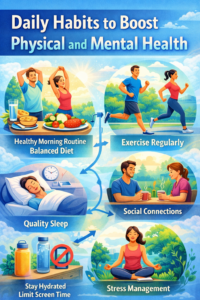
Improving physical and mental health does not require drastic lifestyle changes. Instead, consistent daily habits can have a powerful impact on overall well-being. Practices such as maintaining a balanced diet, exercising regularly, prioritizing sleep, managing stress, staying hydrated, and building strong social connections contribute to a healthier and more balanced life.
Adopting these habits gradually allows individuals to create sustainable routines that support long-term health. By making small but meaningful adjustments to daily activities, people can improve their physical fitness, strengthen emotional resilience, and enhance their quality of life.
Ultimately, a healthy lifestyle is built through consistent choices that support both the body and the mind. By prioritizing daily habits that promote wellness, individuals can achieve greater balance, productivity, and overall happiness.
Read more : webxcels.com